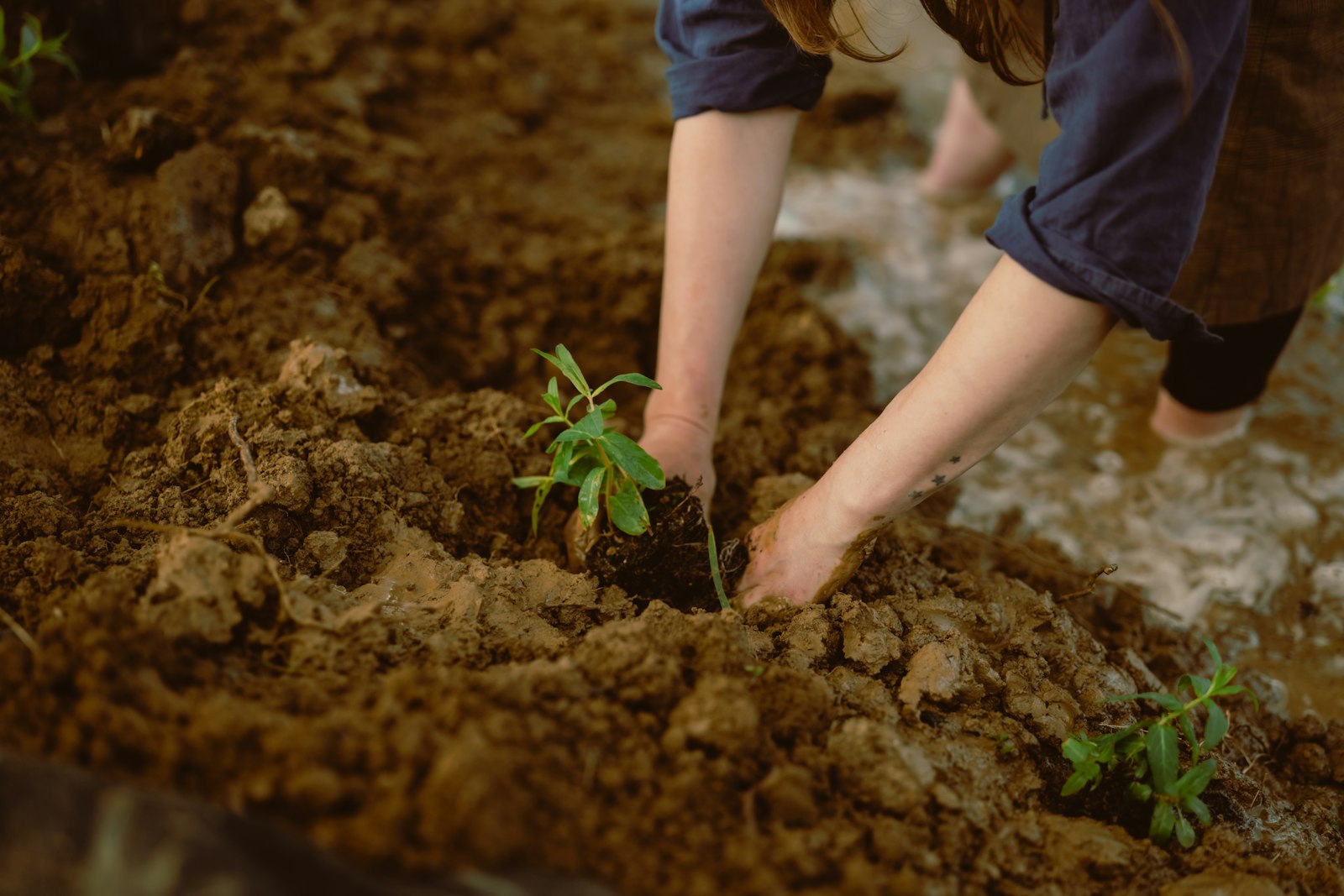
The Agricultural Ecosystem
How pesticide-free farming preserves the living foundation of our food supply
Soil: The Living Foundation
Beneath our feet lies an ecosystem of staggering complexity. A single teaspoon of healthy soil contains more microorganisms than there are people on Earth — billions of bacteria, fungi, protozoa, and nematodes, all performing essential roles in nutrient cycling, disease suppression, and soil structure formation.
Synthetic pesticides, particularly broad-spectrum herbicides like glyphosate and neonicotinoid insecticides, do not target a single pest. They disrupt entire microbial communities. Research published in journals such as Science and Nature has demonstrated that pesticide application reduces mycorrhizal fungi populations — the symbiotic fungi that help plants absorb phosphorus and other minerals.
Crops and Plants
In a pesticide-free system, crops develop stronger natural defenses. Plants produce secondary metabolites — phytochemicals such as polyphenols, flavonoids, and terpenes — as defense mechanisms against insects and disease. These same compounds are the antioxidants and anti-inflammatory agents that make fruits and vegetables beneficial to human health.
When pesticides remove the natural stressors, plants produce fewer of these protective compounds. Studies comparing organic and conventional produce consistently show higher concentrations of beneficial phytochemicals in organically grown crops.
Pollinators and Insects
The global decline of pollinator populations — bees, butterflies, hoverflies — is now recognized as one of the most serious ecological crises of our time. Neonicotinoid pesticides are among the primary drivers. These systemic insecticides are absorbed by the plant and expressed in pollen and nectar, exposing pollinators to sub-lethal doses that impair navigation, reproduction, and immune function.
Without pollinators, approximately 75% of the world’s food crops would suffer reduced yields. Pesticide-free agriculture preserves these essential ecosystem services.
Water Systems
Pesticides do not stay on the field where they are applied. Through runoff, leaching, and atmospheric drift, they contaminate groundwater, rivers, lakes, and eventually oceans. Pesticide-free agriculture eliminates this contamination pathway, protecting the water systems that sustain life far beyond the farm boundary.