FAQ: TFA, Pesticides & Your Food
The 10 most critical questions about chemical contamination in our food chain
1. What is TFA and why is it called a "forever chemical"?
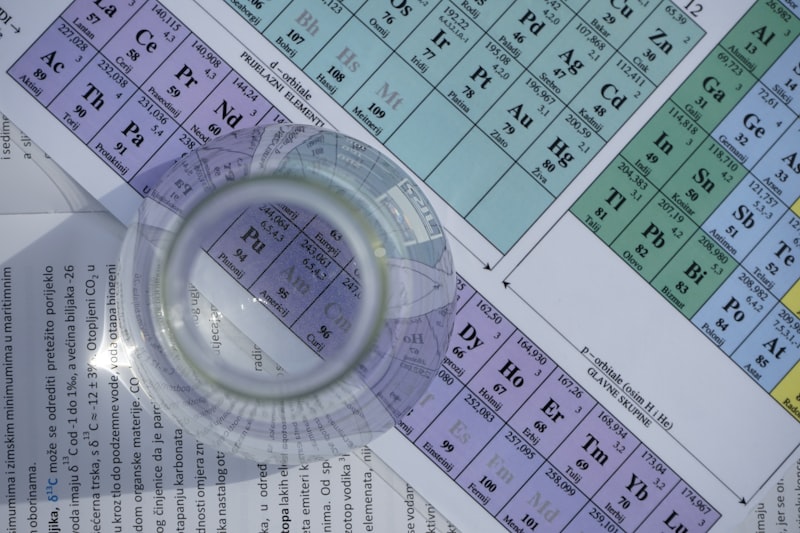
TFA (trifluoroacetic acid) is a degradation product of PFAS pesticides and fluorinated gases. It belongs to the PFAS family — per- and polyfluoroalkyl substances, known as “forever chemicals” because they do not break down in the environment. EU-wide drinking water testing found TFA in 94% of all samples tested, with half exceeding the proposed 500 ng/L limit. TFA accumulates irreversibly in the water cycle — once it enters groundwater, conventional treatment cannot remove it. It is introduced at the base of the food chain through agricultural soil and water, and bioaccumulates through every trophic level to humans.
2. What is glyphosate and does it cause cancer?
Glyphosate is the active ingredient in Roundup and the most widely used herbicide in history. In 2015, the WHO International Agency for Research on Cancer (IARC) classified it as “probably carcinogenic to humans” (Group 2A). A landmark 2025 study confirmed that long-term exposure causes cancer in laboratory animals at doses the EU considers “safe.” Epidemiological studies show elevated rates of non-Hodgkin lymphoma and leukemia among exposed workers. Despite this, the EU renewed its authorization until December 2033. In the US, thousands of lawsuits resulted in a $10 billion Bayer settlement, yet the EPA still classifies it as “not likely to be carcinogenic.”
3. How do pesticides enter and accumulate in the food chain?
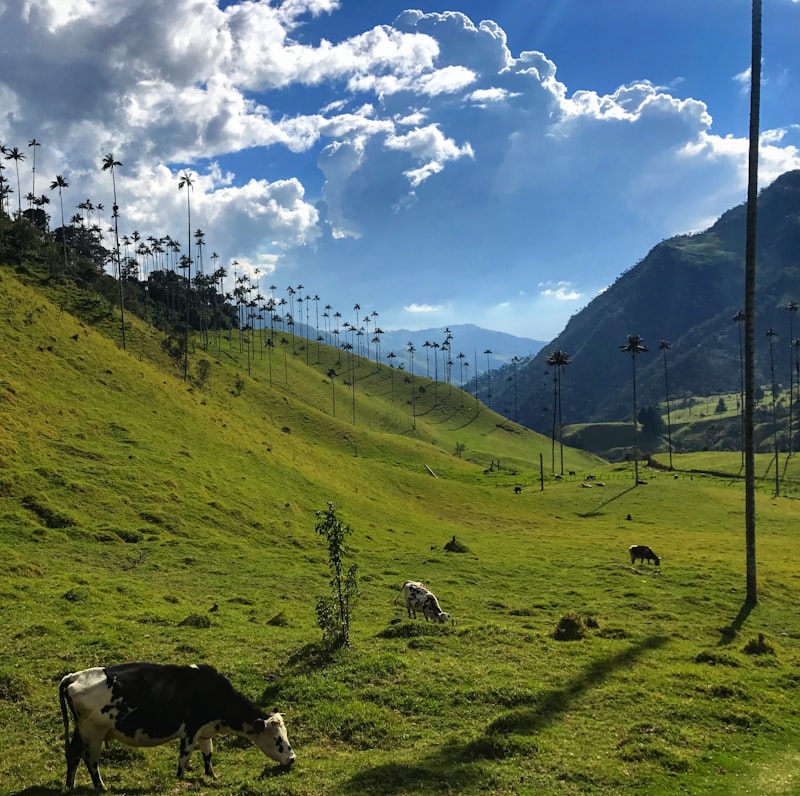
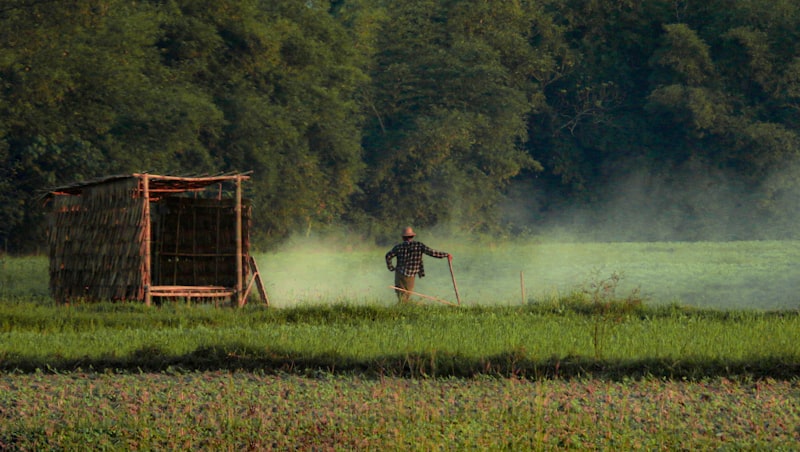
Pesticides are introduced at the base of the food chain — applied directly to soil and crops. From there: soil microorganisms absorb them, insects feed on contaminated plants, animals eat those insects, livestock consume thousands of kilograms of treated feed over their lifetimes. At each trophic level, concentrations increase through biomagnification. Humans, consuming from every level (plants, meat, dairy, fish, water), become the ultimate bioaccumulators. Fat-soluble pesticides like organochlorines are stored in adipose tissue and accumulate over a lifetime of exposure.
4. What makes clean soil so important?
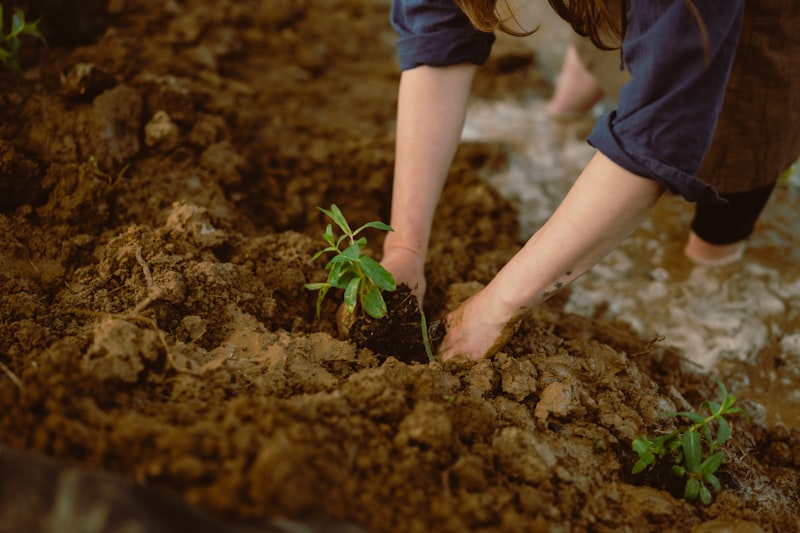
Soil is the foundation of the entire food chain. A single teaspoon of healthy soil contains billions of microorganisms performing nutrient cycling, disease suppression, and water filtration. Pesticides decimate mycorrhizal fungi that help plants absorb minerals, creating dependency on synthetic fertilizers. Clean soil produces plants with higher levels of antioxidants and phytochemicals because plants develop natural defense compounds when not suppressed by chemicals. If soil is contaminated, every organism above it carries that contamination — concentrated and amplified at each level up to humans.
5. Why is Denmark a world leader in pesticide-free agriculture?
Denmark has led pesticide reduction for decades. In 2007, it implemented a nationwide ban on pesticides in all public areas — parks, playgrounds, roadsides. Over 11% of Danish farmland (280,000 hectares) is certified organic, nearly twice the EU average. Denmark relies almost entirely on groundwater for drinking water, creating direct incentive to protect soil. The Danish Pesticide Action Plan sets measurable reduction targets, and the government actively funds biological pest control research. Denmark proves that modern, productive agriculture can operate with dramatically less chemical dependency.
6. What is the EU doing about TFA and PFAS pesticides?
The EU response has been criticized as too slow. From January 2026, a 500 ng/L limit for total PFAS in drinking water takes effect — but TFA is currently excluded from this measurement. The European Commission awaits a WHO evaluation expected in 2027 before setting TFA-specific limits. PAN Europe demands an immediate ban on all PFAS pesticides. Italy has led with action: new January 2026 limits include a specific TFA limit of 10 ng/L. The European Parliament has raised urgent questions about phasing out PFAS pesticides. Meanwhile, TFA continues to accumulate irreversibly in water supplies across Europe.
7. How does the USA compare to Europe on pesticide regulation?
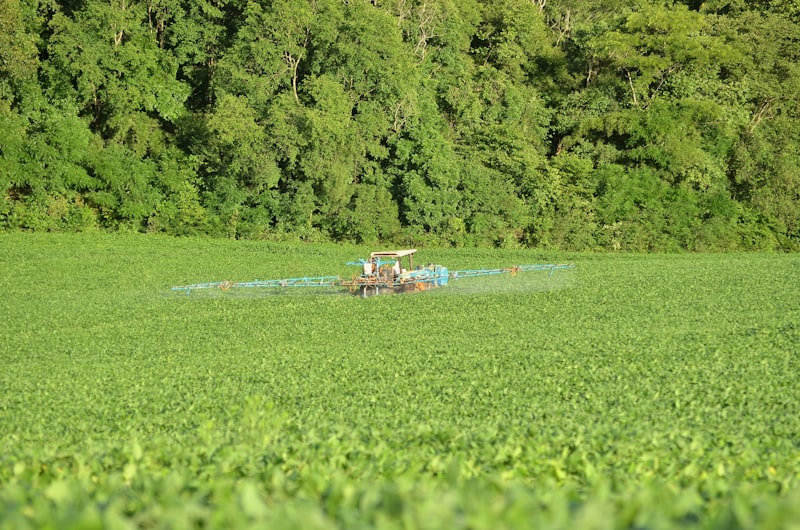
The US takes a significantly more permissive approach. The EPA allows over 70 pesticides banned in the EU. Glyphosate is fully approved without restrictions. American agriculture uses approximately 1 billion pounds of pesticides annually. The regulatory philosophy differs: the US requires proof of harm before restriction, while the EU (in theory) applies the precautionary principle — restricting where there is scientific uncertainty. However, the EU recent 10-year glyphosate renewal shows that agricultural industry lobbying limits precaution in practice. The US has no equivalent to the EU Farm to Fork Strategy or organic farming targets.
8. What is Canada doing about pesticide regulation?
Canada falls between the US and EU. The Pest Management Regulatory Agency (PMRA) re-evaluated and maintained glyphosate registration in 2019. However, provinces have taken independent action: Quebec banned cosmetic pesticide use on lawns in 2006. Canada faces significant TFA contamination in agricultural regions of Ontario, Quebec, and the Prairies. Canadian organic farming is growing but represents a much smaller fraction of agricultural land than Denmark. Federal regulation tends to follow US patterns, while provincial regulations sometimes align more with European precautionary approaches.
9. Why must TFA and PFAS be eliminated at the source?
TFA is impossible to remove once it enters the water cycle. Conventional water treatment plants cannot filter it. Activated carbon reduces some PFAS, but TFA passes through most systems. Reverse osmosis works but is prohibitively expensive at municipal scale. The only effective strategy is source elimination: banning the PFAS pesticides that degrade into TFA. Organizations like PAN Europe demand immediate prohibition of all fluorine-containing pesticides. Every day of continued use adds permanently to the global TFA burden. Since TFA enters at the base of the food chain through soil and water, it bioaccumulates through every level until reaching humans, where chronic exposure poses risks to reproduction, development, and long-term health.
10. What can you do to protect yourself and push for change?
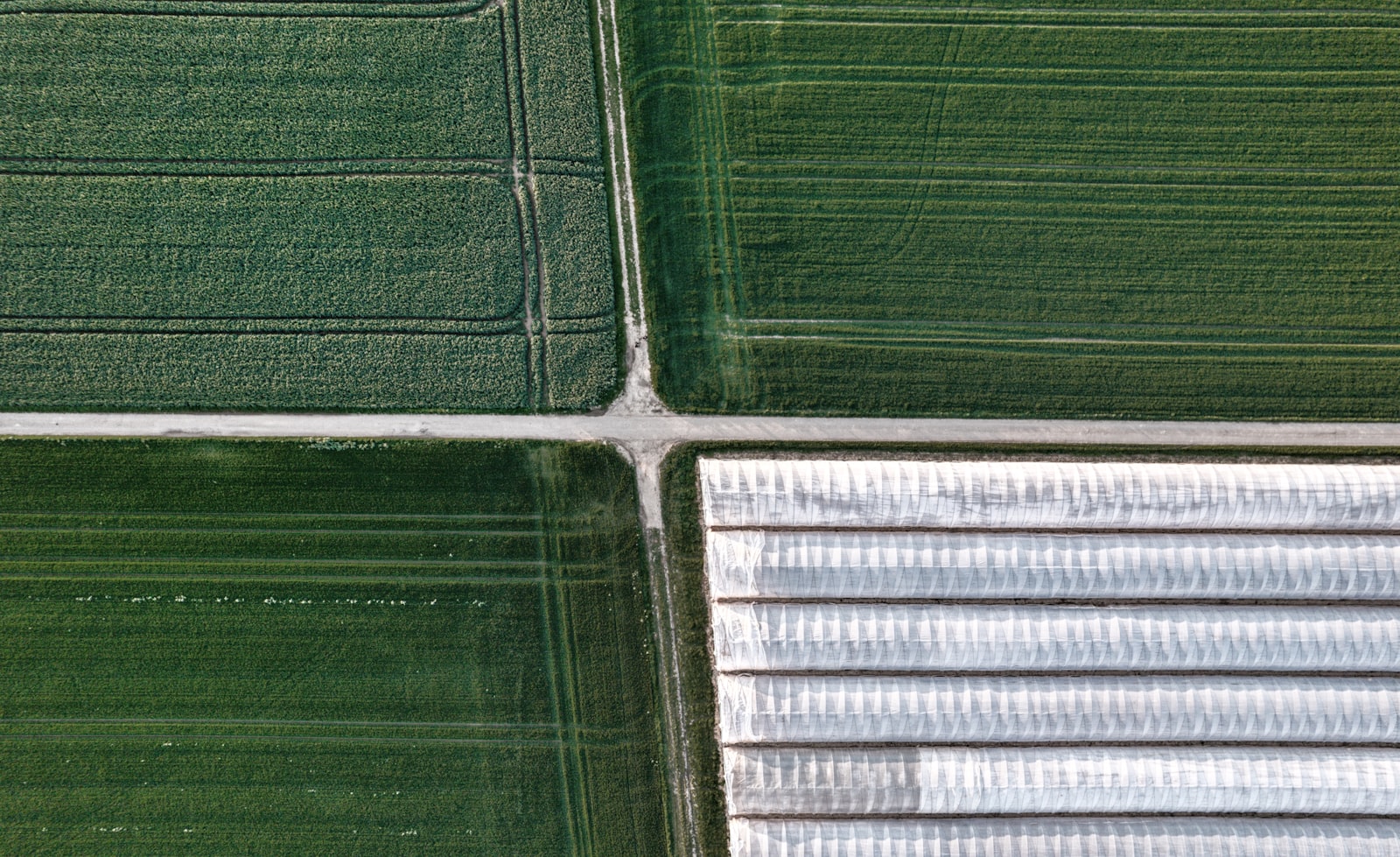
Personal actions: Choose organic produce — organic certification prohibits synthetic pesticides and PFAS. Wash and peel produce (though systemic pesticides cannot be washed off). Support local organic farmers. Filter drinking water with reverse osmosis or high-quality activated carbon. Political actions: Contact elected representatives and demand stricter regulation. Support PAN Europe and local organic associations. Advocate for the precautionary principle. Push for Denmark-style pesticide-free public spaces in your municipality. The science is clear: clean food starts with clean soil, and clean soil requires eliminating synthetic pesticides at the source.
Sources & Further Reading
PAN Europe — EU-Wide Drinking Water Testing (2024) • IARC Monograph on Glyphosate (WHO, 2015) • European Environment Agency — Denmark Organic Farming • CHEM Trust TFA FAQ (June 2025) • European Parliament Question E-001786/2025 • EFSA Glyphosate Assessment • U.S. EPA Glyphosate Review • Danish EPA Pesticide Policy • Euroconsumers TFA Drinking Water Report